
1 compound
Melanogenesis Research
Melanogenesis is a biological process which creates melanin, a category of pigments that provides various colours of skin, hair and eyes. The process of…
Start from the research question. Each area lists the compounds studied in it; each compound has one authoritative profile covering what it is, the published literature, and what the evidence does not show.
Each area explains the biology in plain language and lists the compounds studied in it.
Melanogenesis is a biological process which creates melanin, a category of pigments that provides various colours of skin, hair and eyes. The process of…
Some research questions are difficult to explore with a single compound. Different pathways may overlap, interact, or respond in ways that are easier to…
The largest group in our range and the most heavily published. Research here centres on how peptides influence the sequence of events that follows…
Growth hormone secretagogues (GHSs) are synthetic peptides designed by scientists working in the areas of endocrine signalling, receptor biology and hormone control for use…
The term 'metabolism' refers to biological processes responsible for generating, storing and utilising energy within a cell. These metabolic processes are crucial for the…
Studies in the science of the nervous system have given us greater understanding of how neurones communicate, process information and control complex biological functions.…
The study of the biological mechanisms related to ageing has seen significant increases in scientific interest over recent years. Scientists have been carrying out…
This area covers PT-141 and Kisspeptin-10. Melanotan-2, the compound PT-141 is derived from, is listed under Melanogenesis Research and is discussed here for comparison.…
The skin is a sophisticated biological system in which cells constantly communicate via intricate chemical signalling channels. Such connections control processes like extracellular matrix…
What it is, the published literature, the experimental research areas, the preclinical evidence and its limits - with every size we stock and its batch records.
 Metabolic AOD-9604
 Tissue & repair ARA-290
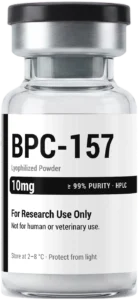 Tissue & repair BPC-157
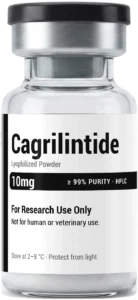 Metabolic Cagrilintide
 Growth hormone secretagogues CJC-1295
 Neuroactive & cognitive DSIP
 Cellular & mitochondrial Epitalon
 Copper & cosmetic GHK-Cu
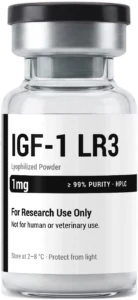 Growth hormone secretagogues IGF-1 LR3
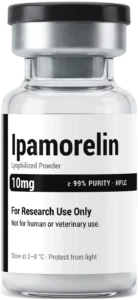 Growth hormone secretagogues Ipamorelin
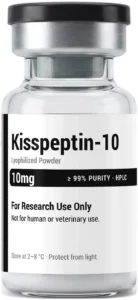 Reproductive signalling Kisspeptin-10
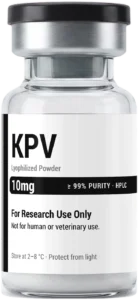 Tissue & repair KPV
 Tissue & repair LL-37
 Melanogenesis Melanotan-2
 Cellular & mitochondrial MOTS-c
 Cellular & mitochondrial NAD+
 Reproductive signalling PT-141
 Neuroactive & cognitive Selank
 Neuroactive & cognitive Semax
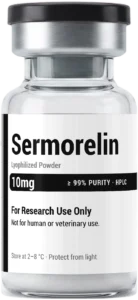 Growth hormone secretagogues Sermorelin
 Cellular & mitochondrial SS-31
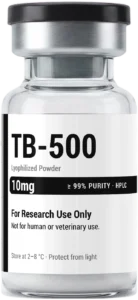 Tissue & repair TB-500
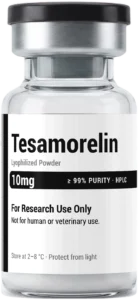 Growth hormone secretagogues Tesamorelin
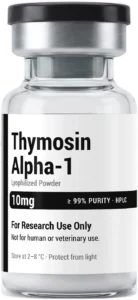 Tissue & repair Thymosin Alpha-1
Where the research overlaps, where it does not, and what the evidence shows for each.
The field of peptide research involves a variety of different sciences, where researchers investigate how naturally occurring and synthetic peptides interact with biological systems at the molecular and cellular levels. Peptides remain an important part of experimental work within the framework of universities, research institutes, and biotechnology laboratories.
Unlike the scientific study in one particular field, peptide research involves different branches of science, like endocrinology, metabolism, neuroscience, healthy ageing, regenerative biology, and analytical sciences. Each branch studies various biological phenomena that help understand how cells communicate, adapt, and respond under controlled laboratory conditions.
Prime Peptides UK Research Areas have been arranged in such a way as to draw attention to these important scientific disciplines. Whether it be an already recognised field or one that is new and developing, each section provides an overview of the underlying biology while directing you to more detailed educational resources.
Scientific research often starts with questions instead of results. It is due to the fact that peptides are researched because of their function in biological signalling, receptor interactions, cellular communication, and numerous physiological pathways that are still under investigation in laboratories.
Peptides are researched in laboratories in connection with:
These studies can help build scientific knowledge and serve as an inspiration for future studies in many disciplines. Given that each field of study has its own aims in terms of research, peptide studies are usually classified based on biological systems or scientific problems, and not compounds.
The advancement of science is not simply about performing experiments. Availability of accurate educational material, documentation, and scientific information ensures that scientists make sense of the data, know about laboratory procedures, and stay updated with the progress of peptide science.
For such a purpose, Prime Peptides UK offers educational material along with the research catalogue. Scientists may also choose to learn about:
Together, these resources are intended to complement laboratory research by promoting scientific understanding, responsible communication, and informed decision-making.
The data available from the above Research Areas is meant for educational and scientific purposes only. The Prime Peptides UK products provided in this website are classified as Research Use Only (RUO).
It isnot meant to be used for human consumption, therapeutic use, diagnostic procedures, or veterinary applications. Nothing on this page is meant to be taken as medical or healthcare advice.