Some research questions are difficult to explore with a single compound. Different pathways may overlap, interact, or respond in ways that are easier to study when more than one peptide is present. That is where research blends come in.
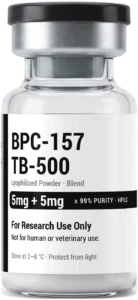
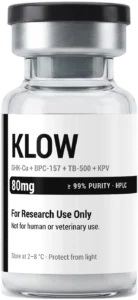
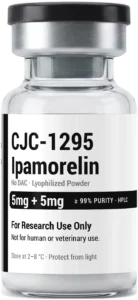
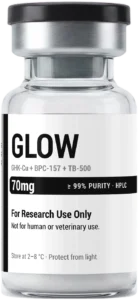
Our Research Blends collection brings together peptide combinations intended for controlled laboratory research. Rather than treating each peptide separately, these blends give researchers a practical way to work with selected compounds within the same research setup.
The range is intended for research use only and is not supplied for human consumption or therapeutic use.
What Are Research Peptide Blends?
A research blend contains two or more compounds combined within one formulation. The exact make-up depends on the blend, so it is worth checking the individual product information rather than assuming that blends with similar names contain the same ingredients or quantities.
For laboratory work, such a blend can make certain types of investigation more straightforward. Researchers may want to look at compounds that are commonly discussed within the same area of study, compare a blend against an individual peptide, or examine how multiple compounds behave under a defined experimental protocol.
It is not simply a case of putting several peptides together. The identity and amount of each component still matter, as do handling, storage, and documentation.
Why Researchers Work With Blends
A lot of peptide research begins with a fairly narrow question. What does one compound do under a particular set of laboratory conditions? How stable is it? What happens when the concentration changes?
Once that groundwork has been done, the questions can become more complicated.
Researchers may become interested in the interaction between compounds or whether observations seen with an individual peptide remain the same when another research compound is introduced.
A prepared research blend can be useful in this sort of work because the components are already grouped into a defined product. It may also reduce some of the practical steps involved in sourcing individual compounds separately.
That does not mean a blend is automatically the right option for every project. In some experiments, individual peptides provide researchers greater control over concentrations and variables. In others, a pre-defined blend may fit the study design more naturally.
The decision ultimately depends on the specific focus of the experiment.
Understanding What Is Inside a Blend
The name on the vial is only the starting point.
Before choosing any research blend, researchers should look at its full composition. Which peptides are included? How much of each component is present? What supporting batch information is available?
These details become particularly important when comparing one blend with another. Two products may appear similar at first glance but contain different proportions or total quantities.
This is why we believe the product information should be easy to verify before an order is placed. Researchers should not have to guess what a blend contains.
Where supporting documentation is available for a particular batch, the documentation should also be reviewed alongside the product description.
Research Blends and Experimental Design
Working with multiple compounds introduces more variables.
That sounds obvious, but it can easily be overlooked.
If an experiment produces an interesting result with a blend, identifying which component contributed to that observation may require further work. Researchers might therefore use individual compounds as controls or carry out additional experiments alongside the blended sample.
The model, protocol, and research question will determine how a blend is incorporated into a project.
For this reason, we avoid presenting research blends as though they have one fixed purpose. Laboratory research is usually messier. A compound that is relevant to one experimental model may not be suitable for another.
Effective research starts with the question, not the product.
Storage and Laboratory Handling
Peptides can require careful handling, and blends are no exception.
Always check the information supplied with the specific product before beginning laboratory work. Storage conditions, preparation, and handling requirements can vary between compounds and formulations.
Researchers should also follow their laboratory procedures for sample identification and record keeping. Recording the batch or lot used in an experiment can simplify later analysis, especially when repeating a study.
Avoid relying on a general handling rule simply because it has been used for another peptide. A blend contains multiple components, so its individual documentation should be the reference point.
Documentation Matters
When ordering a research compound, the label is not the whole story.
Researchers may need supporting information to understand exactly what material they are working with. Batch identification, analytical information and product specifications can all help build a clearer record of the material used during an experiment.
This becomes especially useful when work is repeated several weeks or months later. Without a record of the exact batch and formulation, comparing results can become unnecessarily difficult.
At Prime Peptides UK, we want researchers to be able to find the relevant product and batch information without having to work through vague descriptions or marketing claims.
Clear information is simply more useful.
Choosing Between a Blend and an Individual Peptide
There is no universal answer here.
If the aim is to isolate the behaviour of one peptide, an individual research compound usually provides a cleaner starting point. It keeps the number of variables lower and makes observations easier to attribute.
A blend becomes more relevant when the research question specifically involves more than one component or when a defined combination is required by the experimental design.
It can help to ask a few basic questions before deciding:
- Does the project require every compound included in the blend?
- Is the amount of each component suitable for the planned research?
- Would separate compounds offer better experimental control?
- Is suitable batch and analytical information available?
- Can the blend be handled and stored within the laboratory’s existing procedures?
These simple questions can prevent the selection of the wrong material for a project.
Explore Research Blends at Prime Peptides UK
Browse our current Research Blends collection to see the combinations available for UK laboratory research.
Each product page provides more specific information about the blend, including its composition and available product details, so you can check whether it matches the requirements of your planned work before ordering.
We supply our research products exclusively for laboratory and scientific research purposes. They are not medicines, food supplements or products for human consumption.
If you are looking for a particular compound rather than a combination, explore our other research categories to find individual peptides and related research materials available from Prime Peptides UK.