Growth hormone secretagogues (GHSs) are synthetic peptides designed by scientists working in the areas of endocrine signalling, receptor biology and hormone control for use in studies. These chemicals are researched because they target pathways involved in the release of growth hormone, such that receptor activation, intracellular signalling and peptide structure-function correlations may be studied under controlled experimental settings.
These studies increase general knowledge of endocrine physiology and peptide-receptor interactions but do not indicate therapeutic or clinical uses.
The main focus of the present study is the growth hormone secretagogue receptor (GHS-R1a), commonly known as GHS-R1a. By studying the interaction between synthetic peptides and this receptor, scientists are able to examine signalling pathways, the pharmacology of the receptor and the molecular response.
And Prime Peptides UK sells its goods for research use only (RUO) only. All materials are for laboratory research only and not licensed for human, medicinal or veterinary use.
The study of endocrine signalling pathways
There are two types of peptides used for the examination of endocrine studies:
- Growth hormone secretagogues (GHSs), which are important for the interaction with GHS-R1a receptors.
- Growth hormone-releasing factor (GHRF) peptides that are capable of binding to GHRF receptors.
By analysing these signalling pathways, researchers may compare receptor activation, downstream cellular signalling and peptide-receptor specificity in different experimental systems.
Laboratory experiments in this field usually include:
- Binding and activation of receptors •
- Intracellular signalling pathways
- Mechanisms of hormone regulation
- Structure activity relationships
- Receptor pharmacology comparative
- Experimental endocrine models of
So these investigations advance our scientific understanding of how peptide shape affects receptor behaviour and molecular signalling, all in a non-clinical research context.
Growth Hormone Secretagogues Research Commonly Used Peptides
Common synthetic peptides that are commonly employed in laboratory studies for their receptor-binding characteristics and research applications include:
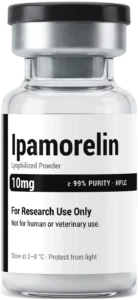
- Ipamorelin is frequently researched in terms of its selectivity for the growth hormone secretagogue receptor. It is utilised in experimental models to examine receptor selectivity, signalling cascades and molecular properties of peptide-receptor interactions.
- GHRP-2 is widely employed in endocrine research for receptor activation and intracellular signalling. The study of its action on GHS-R1a and other growth hormone secretagogue agonists is frequently part of comparison experiments.
- GHRP-6 has been extensively studied in the laboratory and is widely employed in investigations of receptor pharmacology, signalling behaviour and comparative peptide activity. Its well-established research profile makes it a valuable reference molecule in experimental settings.
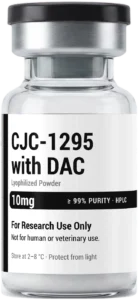
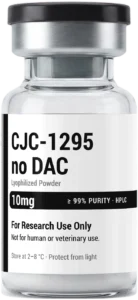
- CJC-1295 is a synthetic derivative of growth hormone-releasing hormone (GHRH). Laboratory studies usually focus on its interaction with GHRH receptors, its binding to receptors and signalling properties in endocrine models.
- Tesamorelin is another GHRH analogue that has been examined in research efforts to understand receptor signalling and endocrine control. Studies are carried out to elucidate its structure and the receptor contacts to gain a better understanding of the mechanisms of peptide-mediated signalling.
Supporting Reliable Laboratory Research
Well-defined, consistent materials are required for effective research. Before usage in laboratory investigations, synthesised peptides are evaluated for properties such as peptide identity, purity, stability and batch consistency. Analytical methods used in quality assurance processes include high-performance liquid chromatography and mass spectrometry to certify product identity and purity.
Prime Peptides UK provides research peptides and necessary documentation (Certificates of Analysis or COAs) for enhanced transparency and reproducibility. Such records let researchers verify product specs before using them in tests.
For Research Use Only
Studies in endocrine signalling, receptor pharmacology and peptide research still make use of growth hormone secretagogues. The study of peptide-receptor binding and molecular communication adds to the knowledge of endocrine science and the study of synthetic peptides.
Prime Peptides UK supplies synthetic peptides for research use only. All products are for research use in a laboratory setting only. They are not meant for human consumption or clinical, therapeutic, or veterinary usage.